QUESTIONS PATIENTS ASK
What happens during TIF?
While you are asleep under anesthesia, Dr. Ouni passes a device through your mouth into the stomach and folds the tissue at the top of the stomach into a new valve, held with small fasteners. This helps stop stomach contents from flowing back into the esophagus. There are no cuts on your skin.
What are the risks?
Short-term bloating, nausea or shoulder discomfort can happen and usually settle. Serious problems such as bleeding or a tear are uncommon. We review your personal risks with you before the procedure.
Will I still need reflux medicine?
Many people are able to reduce or stop daily reflux medicine, but this varies. We follow up after the procedure and adjust your plan together.
QUESTIONS PATIENTS ASK
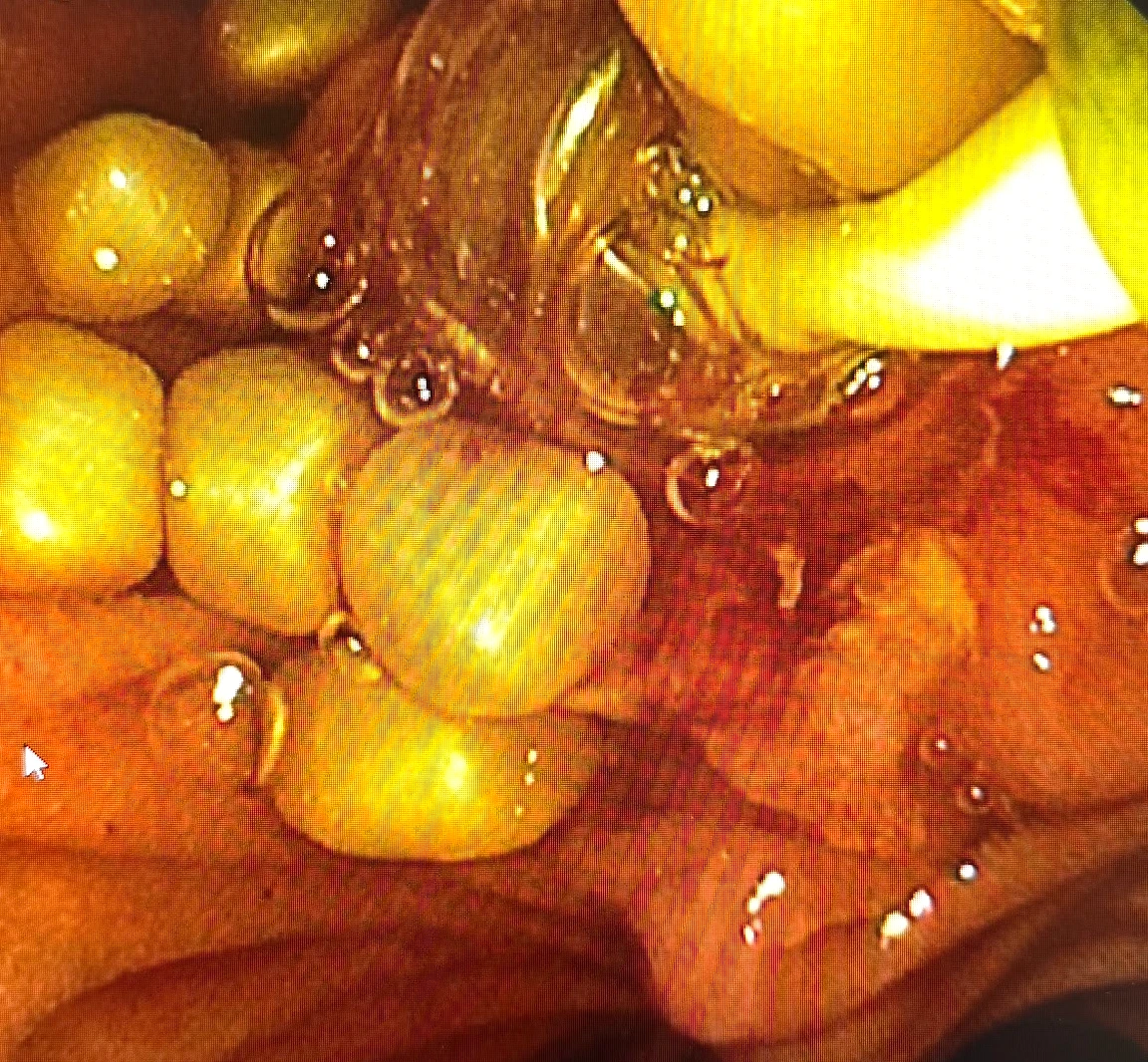
What happens during ERCP?
While you are asleep under anesthesia, Dr. Ouni passes a flexible scope through your mouth to the opening of the bile and pancreatic ducts. Using X-ray dye and small tools, he can remove stones, place stents to open a blockage, or take samples. There are no cuts on your skin.
What are the risks?
The most common problem is pancreatitis (inflammation of the pancreas), which causes belly pain and may need a hospital stay. Bleeding, infection and a tear are less common. We take steps to lower these risks and review them with you before the procedure.
What should I watch for afterwards?
A sore throat and mild bloating are common. Call us or go to the ER for severe belly pain, fever or chills, vomiting, black stools or vomiting blood.
QUESTIONS PATIENTS ASK
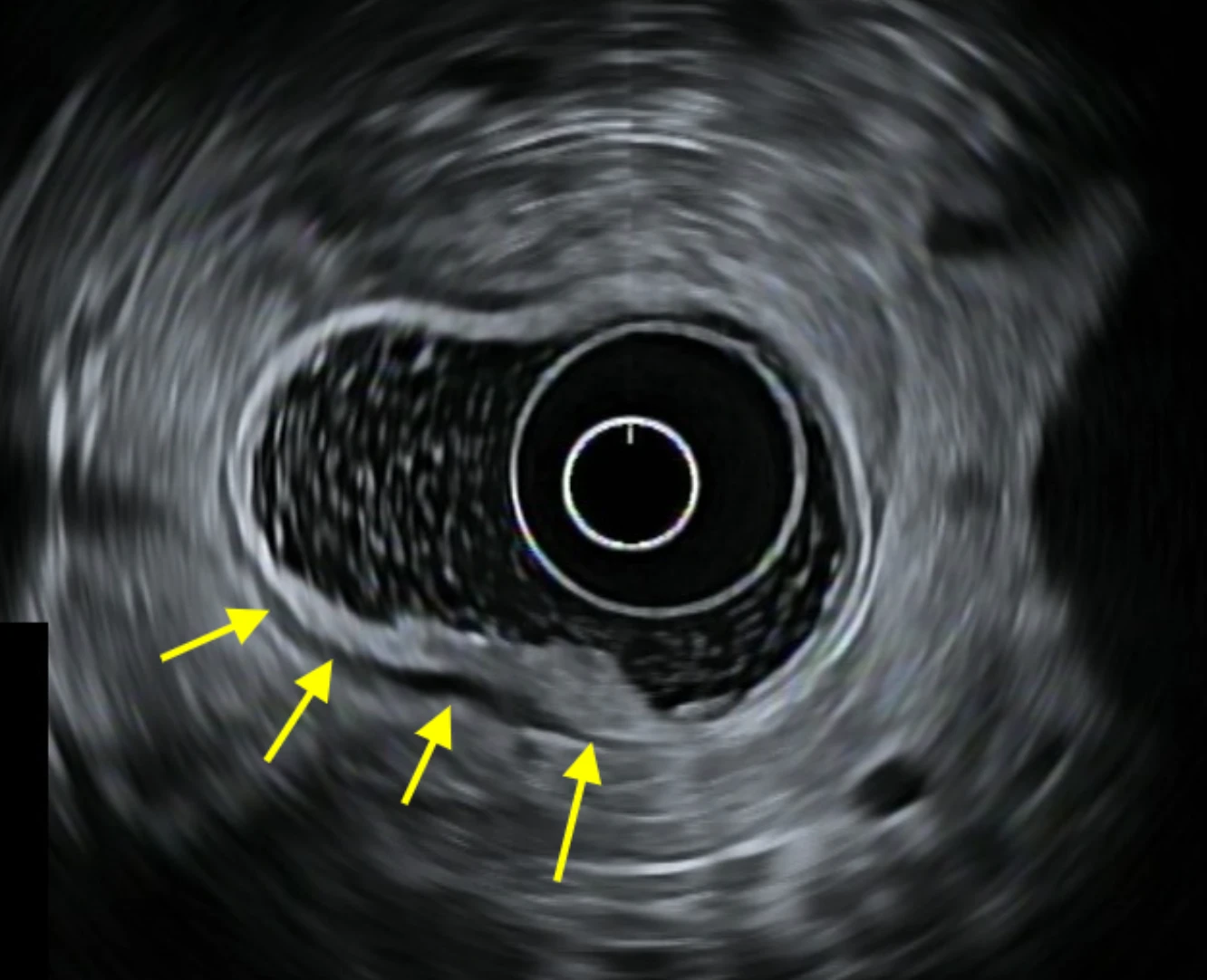
What happens during EUS?
While you are asleep, Dr. Ouni passes a thin scope with a small ultrasound probe on its tip through your mouth. Because the probe sits right next to the organs, it gives very detailed pictures. If needed, he takes a tissue sample with a fine needle through the scope. There are no cuts on your skin.
What are the risks?
EUS is considered low risk. A sore throat is common. When a sample is taken, there is a small chance of bleeding, infection or pancreatitis. Serious problems are uncommon, and we review your personal risks with you before the procedure.
When will I get my results?
Dr. Ouni will tell you what he saw after the procedure. Biopsy results usually take several days, and we contact you to go over them and plan next steps.
QUESTIONS PATIENTS ASK
How is the capsule placed?
During a short upper endoscopy, while you are asleep under anesthesia, Dr. Ouni attaches a tiny capsule to the lining of your esophagus just above the stomach. It takes only a few extra minutes, and there are no cuts on your skin.
Will I feel it?
Many people feel mild pressure or a sense that food is sticking when they swallow. Chewing well and eating slowly helps. Chest discomfort is usually mild; rarely it is strong enough that the capsule needs to come off early.
When will I get my results?
After you return the recorder, we analyze the full recording and review the results with you at a follow-up visit, then plan your treatment together.
QUESTIONS PATIENTS ASK
What happens during ESG?
While you are asleep under anesthesia, Dr. Ouni passes an endoscope through your mouth and uses an endoscopic suturing device to place stitches inside your stomach. This folds the stomach into a narrower sleeve shape, so you feel full sooner and stay full longer. It usually takes about an hour, with no cuts on your skin.
What are the risks?
ESG is considered low risk. Nausea, cramping and discomfort in the first days are common and are treated with medicine. Serious problems such as bleeding, a leak or infection are uncommon. We review your personal risks with you before the procedure.
Who should not have ESG?
ESG may not be right for people with a large hiatal hernia, active stomach ulcers, prior stomach surgery that changed its shape, bleeding disorders, pregnancy, or an untreated eating disorder. We check for these at your consultation.
THE NEXT STEP
Let's talk about your symptoms
Every person is different. At your visit, Dr. Ouni reviews your history, explains your options and builds a plan with you.
BOOK A VISIT ›This guide is general information and does not replace advice from your own doctor.